Few Streets for a Far-Reaching Rebbe

Updated: Jun 1
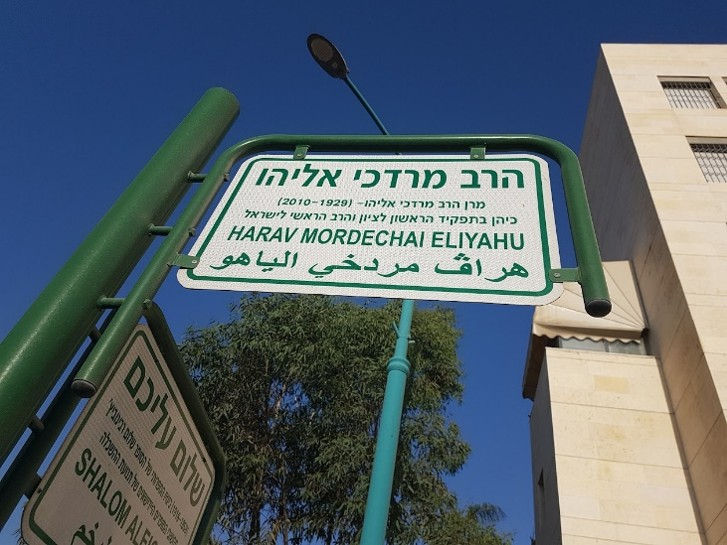
Drive through any Israeli city and you’ll find streets named for rabbis and religious leaders, alongside politicians, biblical figures, poets, and friends of Israel - essentially anyone who has shaped the Jewish story.
Only recently, however, have a handful of Israeli cities - including Rishon Lezion, Gedera, Dimona, Beitar Illit, and Kfar Saba - begun naming streets for one of the most influential Jewish leaders of the twentieth century: Rabbi Menachem Mendel Schneerson, the Lubavitcher Rebbe.
For decades he guided Israeli leaders, inspired soldiers and citizens alike, and transformed Jewish identity around the world. His portrait hangs in gas stations, army bases, and tefillin stands across the country. Yet it took years for the Rebbe’s name to appear on the nation’s street signs.
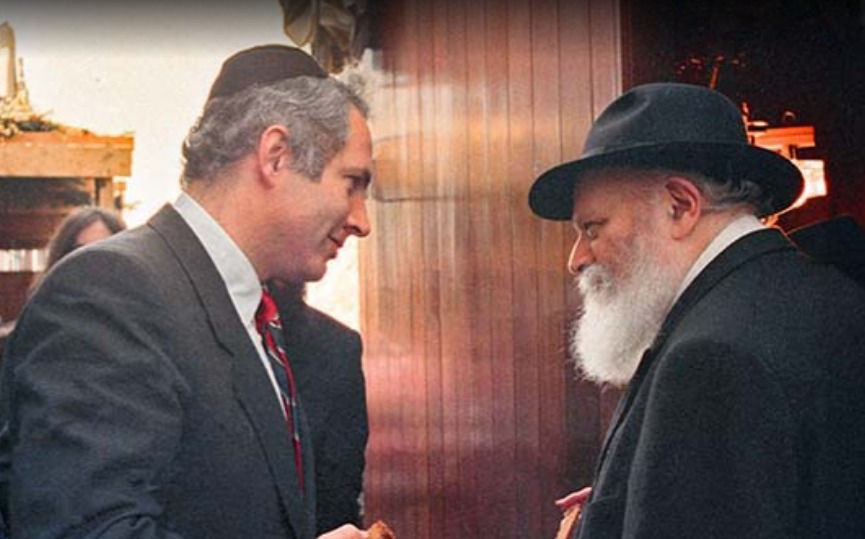
The delay is striking. The Rebbe's influence reached the country's highest offices. Prime Ministers Yitzhak Rabin, Menachem Begin, Yitzhak Shamir, and Benjamin Netanyahu all met with him, as did Presidents Zalman Shazar and Ezer Weizman, along with a number of generals and senior army officers. These leaders traveled to Brooklyn seeking his advice on matters ranging from national security to Jewish identity.
One reason for this delay may be that Rabbi Schneerson never lived in Israel and never visited the country. Israeli street names often commemorate people whose connection to the land was direct and visible. The Rebbe's relationship with Israel was different, as he influenced events from afar.
In addition, the Rebbe never fit neatly into Israel's political and ideological camps. He was not a Zionist in the conventional sense, yet he was passionately devoted to the Jewish homeland. He spoke constantly about Israel’s need for strong security, urged Jews to settle the land, supported the IDF, and framed Israel’s defense as a matter of pikuach nefesh - protecting life. Perhaps not surprisingly, and in contrast to much of the ultra-Orthodox world, thousands of Chabad chassidim proudly serve in the army.
That same sense of commitment and responsibility defines Chabad’s presence across the country today. Its emissaries stand on street corners offering tefillin to passing citizens, deliver food to the needy, and open their doors to any Jew seeking connection. The movement’s credo of unconditional love - ahavat Yisrael - has resonated with many Israelis, religious and secular alike. Chabad volunteers manifest that devotion by visiting hospitals, army bases, prisons, and university campuses. Tefillin stands have become a familiar sight in shopping centers, bus stations, and city streets throughout the country.
The Rebbe's influence can be seen throughout Israel. His name now appears on a handful of street signs, but his legacy in Israel was firmly established long before the signs went up.
Gedaliah Borvick is the founder of My Israel Home, a real estate agency focused on helping people from abroad buy and sell homes in Israel. To sign up for his monthly market updates, contact him at gborvick@gmail.com. Please visit his blog at www.myisraelhome.com.